SoxFun Resource
The Ultimate Guide to Sock Materials
From cotton to merino wool, nylon to Modal—a practical breakdown of the fibers behind a great custom sock.
Why material comes first
When people start a custom sock project, the first question is usually whether the factory can add their logo. But yarn determines whether a sock feels good, lasts, handles sweat, and keeps customers coming back.
A sock takes friction, washing, moisture, and constant stretching every day. Choose the right material for the wearer and the use case before choosing the decoration method.
Part 1
Natural Fibers: The Trusted Classics
Select a material to explore its properties, advantages, and the sock styles it suits best.
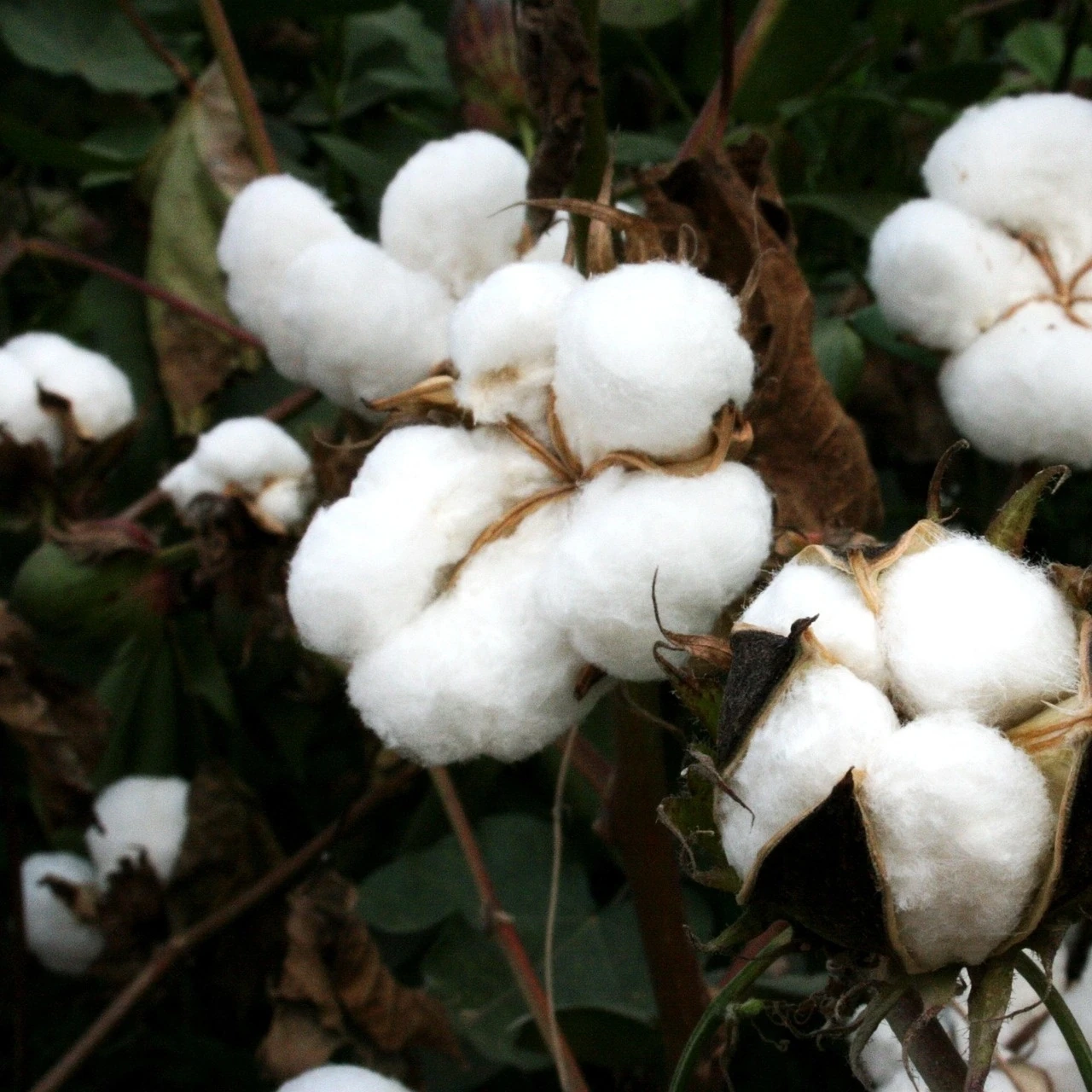
Soft, breathable, skin-friendly, affordable, and excellent for color. Combed cotton removes short fibers for a cleaner surface, smoother feel, and better durability. Everyday socks usually use 65–80% cotton with functional fibers for stretch and strength.
Read the complete guide →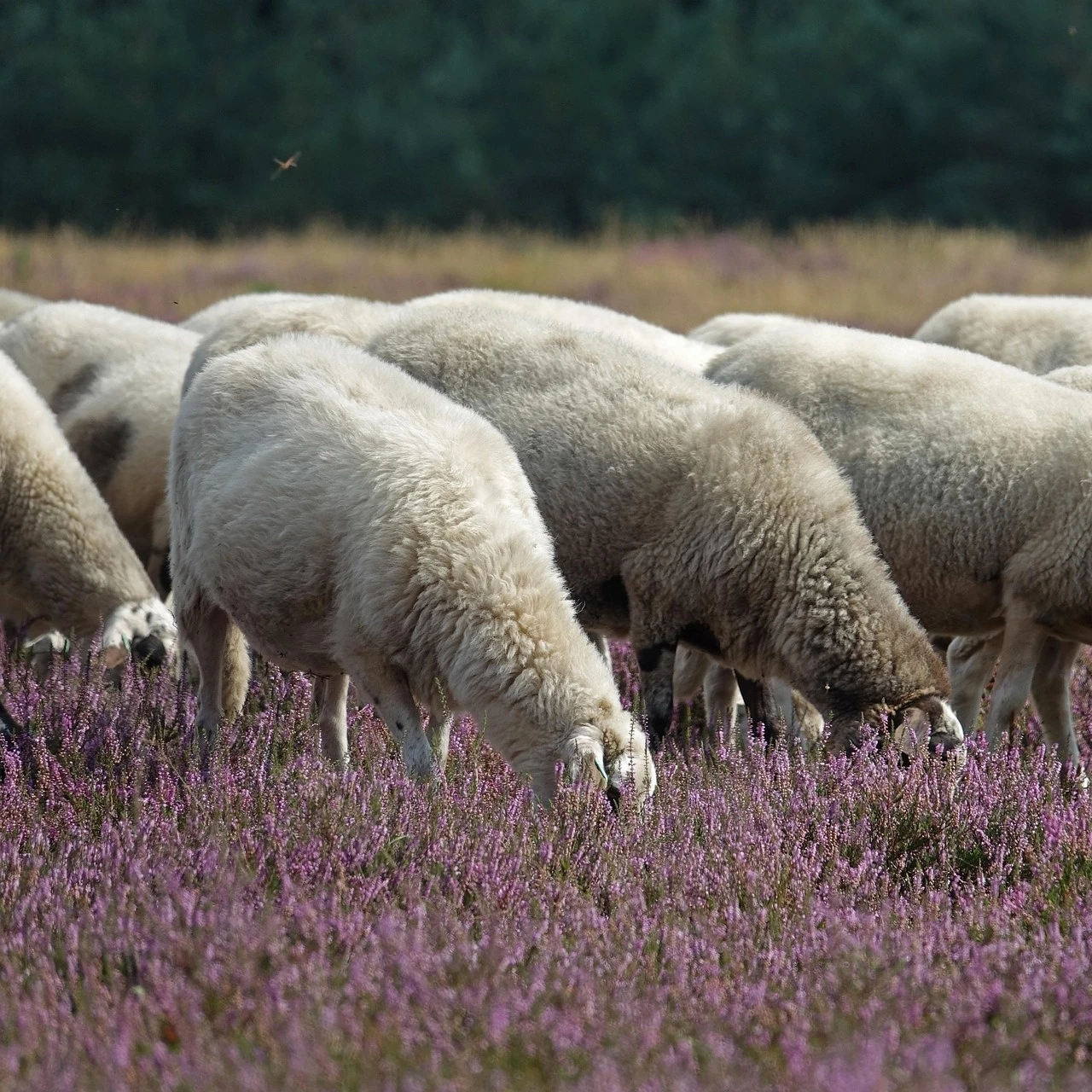
Warm, temperature-regulating, moisture-wicking, and naturally odor resistant. Merino fibers are finer and softer than ordinary wool. A common outdoor blend is 75% merino, 20% nylon, and 5% spandex.
Read the complete guide →
Silky, cool to the touch, breathable, and useful for summer, women's, and children's socks. Bamboo is normally blended because the pure fiber is not strong enough for a durable sock.
Read the complete guide →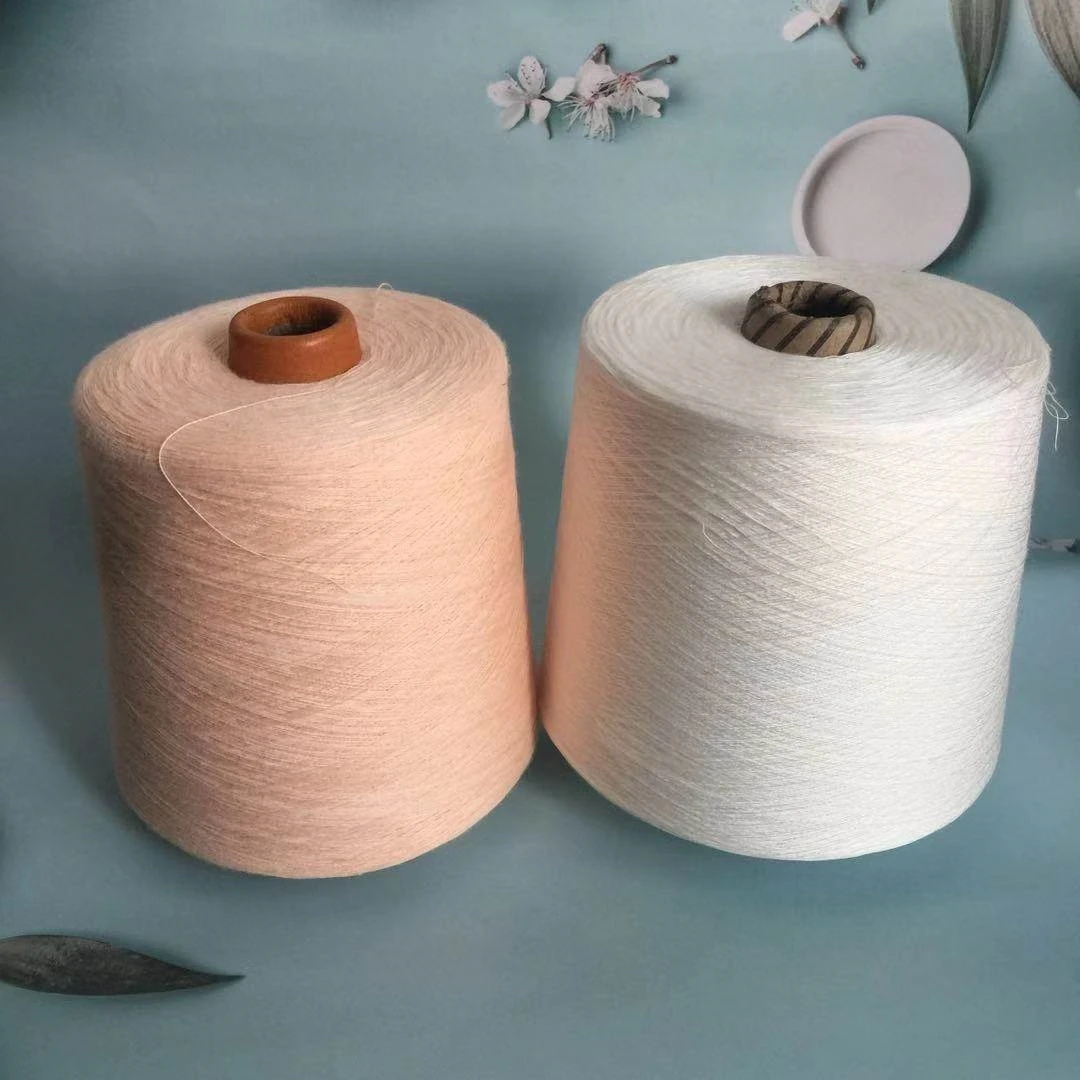
Regenerated cellulose fibers with a smooth hand feel, strong moisture absorption, and excellent softness after washing. Ideal for premium comfort and sensitive skin.
Read the complete guide →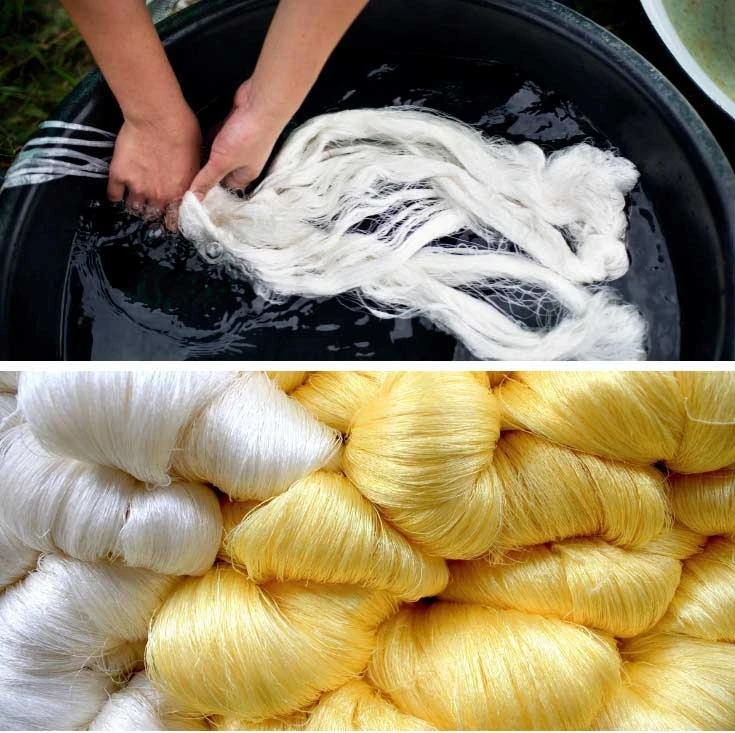
Lightweight, smooth, and elegant for formal socks, weddings, and VIP gifts. Silk is usually blended with Modal or Tencel to improve durability and washability.
Read the complete guide →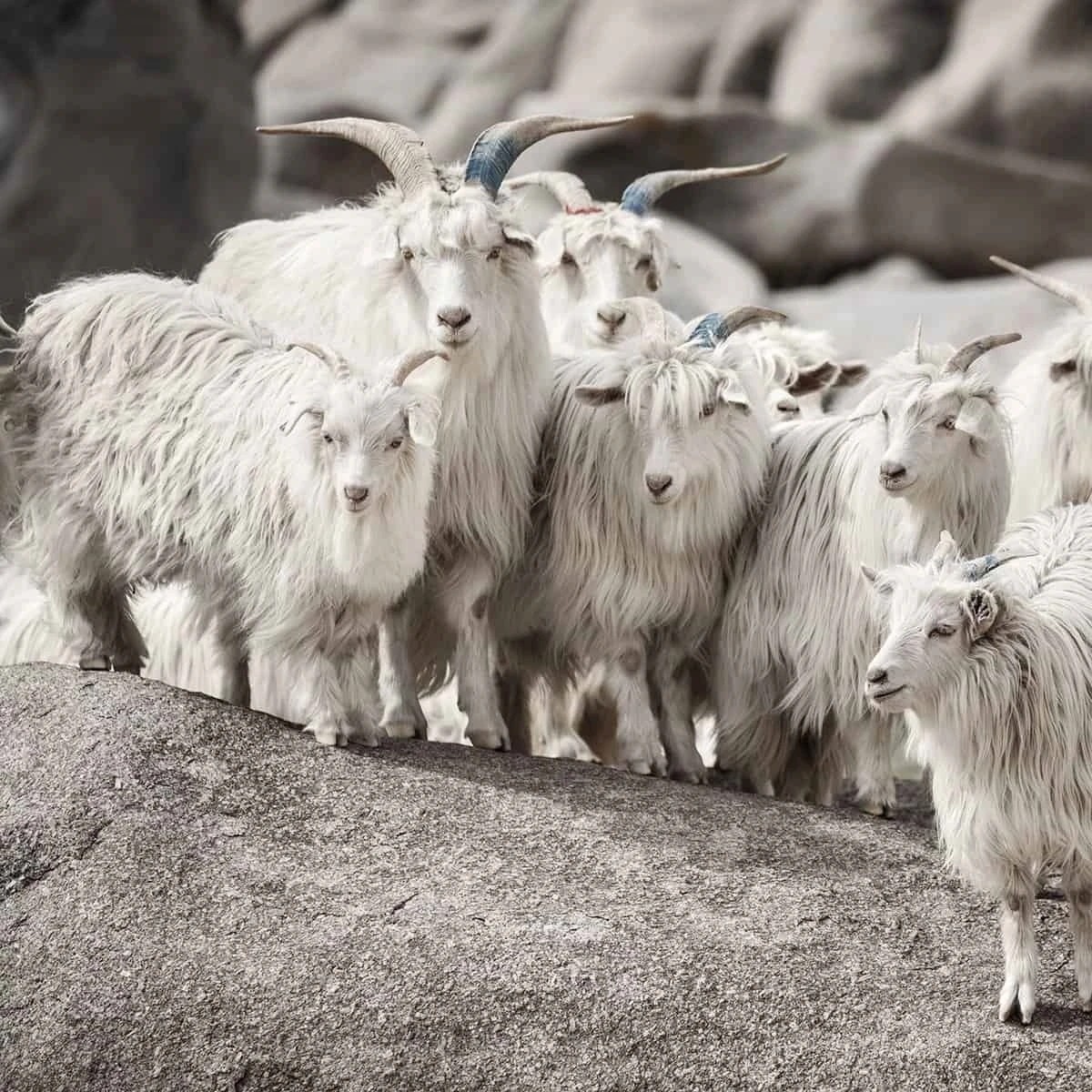
Featherlight warmth and exceptional softness for luxury collaborations, limited runs, and premium gift boxes.
Read the complete guide →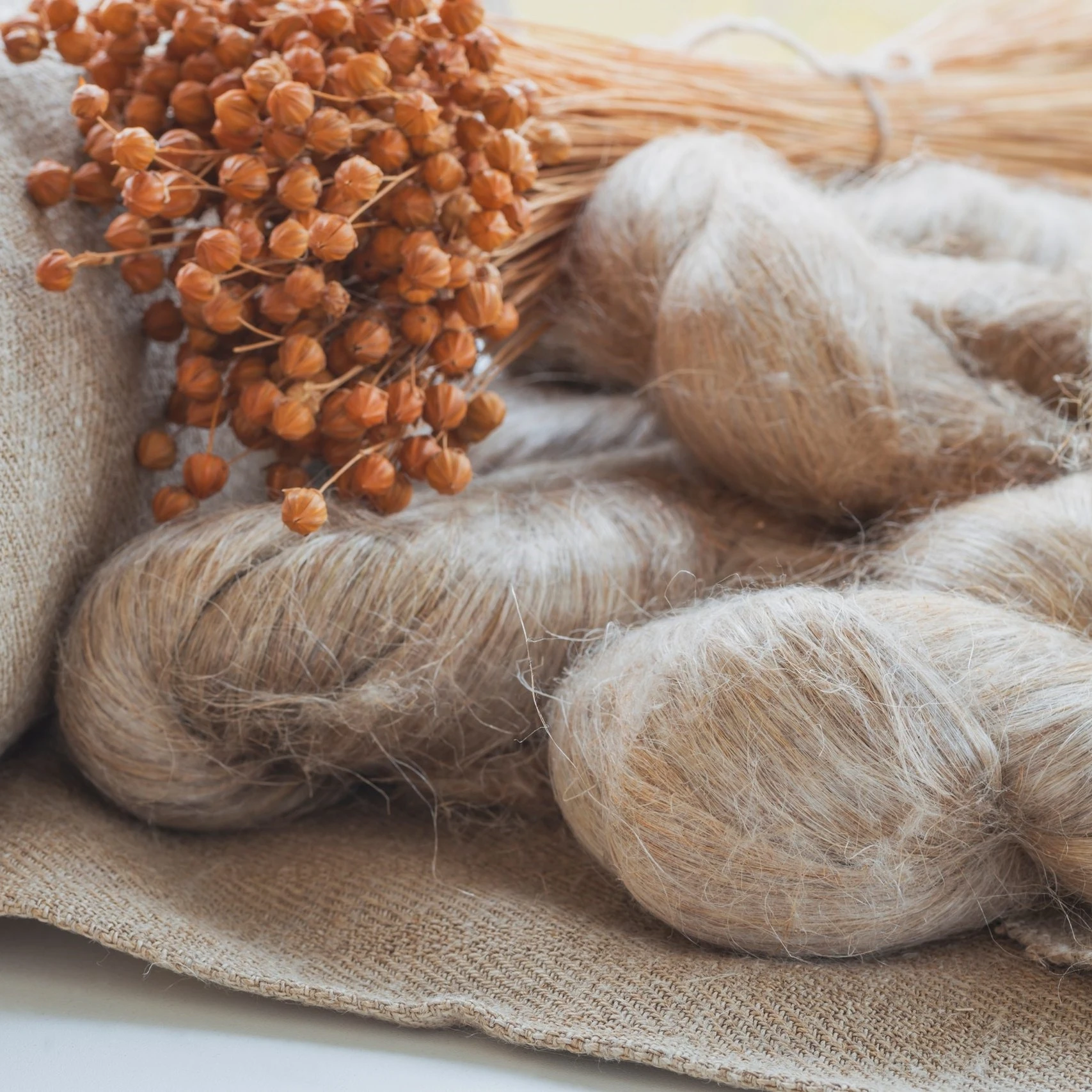
Highly breathable, fast-drying, naturally antimicrobial, and biodegradable. A strong story and real performance for eco-conscious summer collections.
Read the complete guide →Part 2
Synthetic Fibers: The Engineering Team
01Nylon
The durability specialist. It reinforces heels and toes, improves shape recovery, reduces friction, and can dramatically extend sock life. Typical content: 10–30%.
02Polyester
The athletic moisture manager. Quick-drying, strong, budget-friendly, and excellent for vivid dyes. Best used in a balanced athletic blend.
03Spandex
The stretch engine. Just 2–5% helps a sock hug the foot, stay up, and recover after washing. Quality matters because weak elastic loosens quickly.
Part 3
The Art of Blending
No single fiber is perfect. Mature manufacturers combine comfort, stretch, moisture control, and abrasion resistance.
Part 4
Choose Materials by Use Case
Corporate Swag
Combed cotton + nylon + spandex. Broad appeal, reliable comfort, clear jacquard logos, and controlled cost.
E-Commerce Bestseller
Combed cotton with antimicrobial yarn and spandex. Add bamboo or Modal to create a premium tier.
Sports & Running
Polyester-dominant blend, reinforced heel and toe, and high-quality spandex for wicking, support, and durability.
Winter & Outdoor
Merino-dominant blend with nylon and spandex for warmth, moisture control, and multi-day odor resistance.
Premium Gift Box
Long-staple cotton, double-plied combed cotton, or silk/Modal with a fine gauge and hand-linked toe.
Sustainable Brand
Linen, bamboo, recycled polyester, or Tencel for credible eco-conscious product positioning.
Part 5
Five Material Pitfalls to Avoid
- Higher cotton content is not always better. 100% cotton lacks recovery; 65–80% is usually a better working range.
- Polyester is not automatically bad. In athletic blends it can outperform cotton by moving moisture and drying quickly.
- Ask about the spandex. Better elastic keeps its fit through far more wash cycles.
- Antibacterial does not mean forever. Natural and applied treatments both weaken after repeated washing.
- Always approve a sample. Gauge, blend, weight, and toe construction cannot be judged from a specification alone.
Start with the right yarn
Tell us how the socks will be worn.
We'll match your position, budget, and artwork to a practical material blend before bulk production.
Get a material recommendation →