
Sock Materials, Decoded: Which Fiber Belongs in Which Sock (and Why It Matters for Your Order)
 By Cheng Yuewei— views
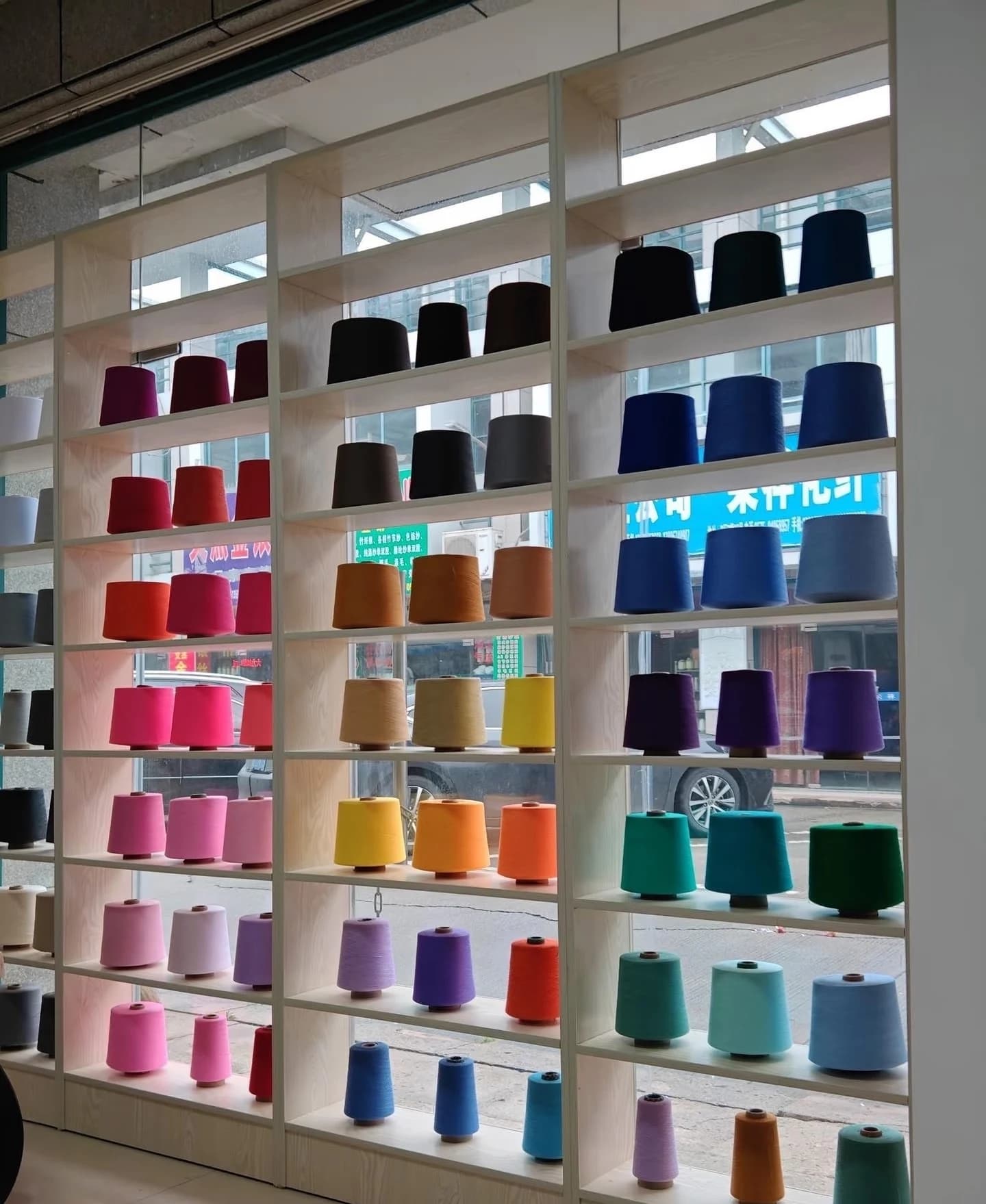
Most custom sock conversations start in the wrong place. The buyer asks whether the factory can reproduce a logo cleanly, or how fast the turnaround is, and the material question gets deferred until the quote is already built. That is backwards. Yarn determines whether a sock feels good on the foot, survives the wash cycle, manages sweat, and earns a second wear. A logo on a sock that pills, sags, or traps moisture is not a brand asset-it is a daily reminder of a bad material decision.
SoxFun's materials guide makes the case directly: choose the right fiber for the wearer and the use case before choosing the decoration method. What follows is a practical breakdown of the fibers that matter most in custom sock production, and the specific sock types each one belongs in.
The natural fibers: comfort, breathability, and a story to tell
Natural fibers carry the emotional weight of a sock. They are what the wearer feels, and what the brand can talk about.
Combed cotton is the workhorse. It is soft, breathable, skin-friendly, and excellent for color reproduction. The "combed" designation matters: short fibers are removed, which produces a cleaner surface, a smoother feel, and better durability than standard cotton. For everyday socks, the working range is 65-80% cotton combined with functional fibers for stretch and strength. This is the material that carries corporate swag, retail basics, and the majority of custom orders-not because it is the most advanced fiber, but because it is the most broadly acceptable one.
Merino wool is the performance natural fiber. It regulates temperature, wicks moisture, and resists odor naturally-merino can be worn for 2-3 full days between washes before odor becomes noticeable, which is why it dominates outdoor and travel socks. Merino fibers are finer and softer than ordinary wool, eliminating the itch that keeps people away from wool socks. A standard outdoor blend is 75% merino, 20% nylon, and 5% spandex. This belongs in winter and outdoor orders, hiking socks, and any program where the wearer will be in the sock for long hours without a change.
Bamboo fiber is silky, cool to the touch, and highly breathable. It is the natural choice for summer socks, women's lines, and children's socks. The critical production note: bamboo is almost always blended, because the pure fiber is not strong enough to survive as a durable sock on its own. A typical bamboo summer blend runs 70% bamboo, 15% polyester, 10% cotton, and 5% spandex. Bamboo is naturally antimicrobial, which supports odor control in warm-weather wear, but it is not a substitute for merino in multi-day or high-output scenarios.
Modal and Tencel are regenerated cellulose fibers with a smooth hand feel, strong moisture absorption, and excellent softness after washing. They belong in premium comfort socks and sensitive-skin lines, where the priority is a silky touch and a cool, dry microclimate rather than abrasion resistance. A practical Modal comfort blend is 50% Modal, 30% cotton, 15% nylon, and 5% spandex.
Silk is lightweight, smooth, and elegant. It belongs in formal socks, wedding party orders, and VIP gift boxes. Silk is rarely used alone because its abrasion resistance is limited; it is blended with Modal or Tencel to improve durability and washability while preserving the luxury hand feel.
Cashmere delivers featherlight warmth and exceptional softness. It is not an everyday material-it belongs in luxury collaborations, limited runs, and premium gift boxes, where the sock is a gift object rather than a utility item.
Linen is highly breathable, fast-drying, naturally antimicrobial, and biodegradable. It is a strong fit for eco-conscious summer collections and sustainable brand positioning, where the fiber story is part of the product value.
The synthetic fibers: the engineering team behind a sock that lasts
No sock is made of a single natural fiber and nothing else, because natural fibers alone lack the recovery and abrasion resistance a sock needs. Synthetics are not the enemy; they are the structural engineering.
Nylon is the durability specialist. It reinforces heels and toes, improves shape recovery, reduces friction, and can dramatically extend sock life. Typical content is 10-30%. If a buyer wants a sock that survives repeated washing without thinning at the heel, nylon is the reason it will.
Polyester is the athletic moisture manager. It is quick-drying, strong, budget-friendly, and takes vivid dyes well. It belongs in balanced athletic blends, not as a replacement for cotton in a casual sock. The industry consensus is clear: in performance socks, polyester-dominant blends move moisture and dry faster than cotton, which is why running socks avoid high cotton content.
Spandex is the stretch engine. Just 2-5% helps a sock hug the foot, stay up, and recover after washing. The guide flags a detail buyers often overlook: quality matters, because weak elastic loosens quickly and the sock loses its fit long before the fabric wears out.
The blend table: what goes into which sock
No single fiber is perfect. Mature manufacturing combines comfort, stretch, moisture control, and abrasion resistance into a blend calibrated to the sock's purpose. The following table maps the most common custom sock types to their typical blend and the benefit that blend delivers.
| Sock type | Typical blend | What the blend delivers |
|---|---|---|
| Everyday casual crew | 65-80% combed cotton + 15-30% nylon/poly + 2-5% spandex | Comfort, durability, value |
| Premium dress | 80% combed cotton + 17% polyamide + 3% spandex | Smooth, breathable, sharp appearance |
| Running / athletic | 55-65% polyester + 25-35% nylon + 3-5% spandex | Wicking, durability, compression |
| Merino outdoor | 75% merino + 20% nylon + 5% spandex | Warmth and odor resistance |
| Bamboo summer | 70% bamboo + 15% polyester + 10% cotton + 5% spandex | Silky, cool, breathable |
| Modal comfort | 50% Modal + 30% cotton + 15% nylon + 5% spandex | Ultra-soft and breathable |
Read the table as a set of starting points, not fixed recipes. The right blend depends on the wearer, the climate, and the price point.
Matching material to sock: the use-case logic
The blend table answers "what goes into a sock." The more useful question for a buyer is "which sock should I order for this program." The guide's use-case framework is the practical bridge.
Corporate swag belongs in combed cotton + nylon + spandex. The logic is broad appeal, reliable comfort, clear jacquard logos, and controlled cost. This is the safest material decision for a mixed audience, because cotton is the fiber most people already expect in a sock.
E-commerce bestsellers work best in combed cotton with antimicrobial yarn and spandex, with bamboo or Modal added to create a premium tier. The antimicrobial component addresses the odor concern that drives reviews and returns; the spandex keeps the fit through wash cycles.
Sports and running require a polyester-dominant blend with reinforced heel and toe and high-quality spandex. Cotton holds moisture against the skin and increases friction, which is the opposite of what a runner needs. Polyester moves sweat away and dries quickly; nylon reinforces the high-wear zones; spandex provides compression and recovery.
Winter and outdoor belongs in a merino-dominant blend with nylon and spandex. Merino provides warmth without overheating, moisture control, and multi-day odor resistance-the combination that makes it the standard for hiking and travel socks. Nylon reinforces durability; spandex holds the fit.
Premium gift boxes call for long-staple cotton, double-plied combed cotton, or silk/Modal with a fine gauge and hand-linked toe. The material choice here is about tactile quality and perceived craftsmanship, not performance under stress.
Sustainable brand programs should look at linen, bamboo, recycled polyester, or Tencel for credible eco-conscious positioning. The fiber story has to be defensible, not decorative; a blend that includes a meaningful percentage of a certified or recycled fiber supports the claim.
Five material mistakes that cost buyers money
The guide closes with a set of pitfalls worth repeating, because they are the errors that turn a good design into a bad order.
Higher cotton content is not automatically better. 100% cotton lacks recovery; it stretches and stays stretched. 65-80% cotton is usually a better working range than 95%.
Polyester is not the villain. In athletic blends it outperforms cotton by moving moisture and drying quickly. The problem is polyester in the wrong sock, not polyester itself.
Ask about the spandex. A cheap elastic loses its fit after a handful of washes, and the sock becomes a loose tube. The spandex quality is a durability decision disguised as a stretch decision.
"Antibacterial" is not permanent. Natural and applied treatments weaken after repeated washing. Merino's odor resistance is inherent to the fiber; a topical finish on a cotton sock is a temporary feature.
Always approve a physical sample. Gauge, blend, weight, and toe construction cannot be judged from a specification sheet alone. A 50-pair sample order is the cheapest way to confirm that the material behaves the way the spec sheet promises.
The takeaway
Material selection is not a technical afterthought to the design. It is the decision that determines whether the sock is comfortable, durable, and appropriate for the wearer-and therefore whether the logo on it gets seen at all.
Combed cotton for everyday and corporate programs. Merino for outdoor and multi-day wear. Bamboo for summer and warm-climate lines. Modal and silk for premium comfort and formal gifting. Polyester for athletic wicking. Nylon and spandex as the structural backbone in every blend. Start with how the sock will be worn, and the fiber choice follows.